
Mango/Aam Special
Showing all 7 results
-
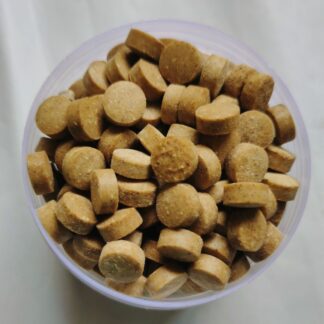
Ampachak Tablet-200gm
Sale! Original price was: ₹110.00.₹100.00Current price is: ₹100.00. This product has multiple variants. The options may be chosen on the product page -
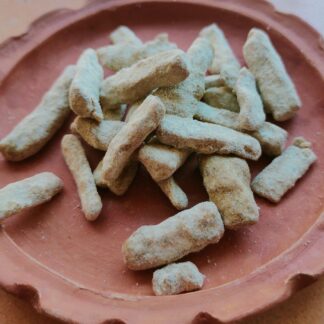
Ampachak-200gm
Sale! Original price was: ₹110.00.₹100.00Current price is: ₹100.00. This product has multiple variants. The options may be chosen on the product page -
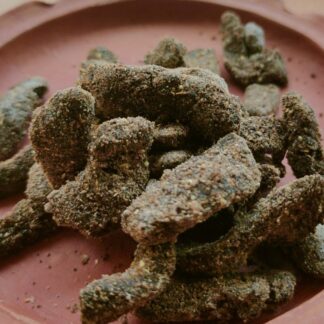
Khatta Aam-200gm
Sale! Original price was: ₹110.00.₹100.00Current price is: ₹100.00. This product has multiple variants. The options may be chosen on the product page -
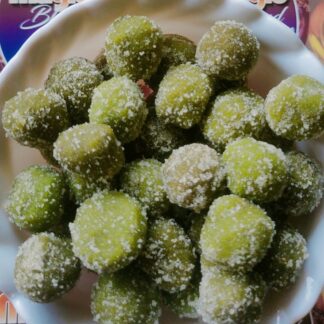
Mango Mania Laddu-200gm
₹90.00 This product has multiple variants. The options may be chosen on the product page -

Mango/Am Laddu-200gm
Sale! Original price was: ₹120.00.₹100.00Current price is: ₹100.00. This product has multiple variants. The options may be chosen on the product page -

Spicy Mango-200gm
Sale! Original price was: ₹120.00.₹100.00Current price is: ₹100.00. This product has multiple variants. The options may be chosen on the product page -
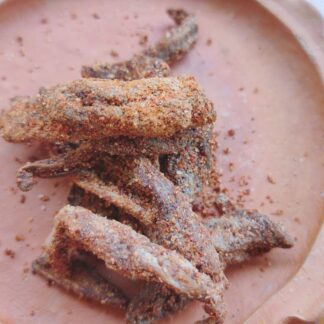
Titora-200gm
Sale! Original price was: ₹110.00.₹100.00Current price is: ₹100.00. This product has multiple variants. The options may be chosen on the product page
Showing all 7 results
The Golden Treasure: An Ode to Handmade Mango Pickle (Aam Ka Achaar)
The scent of raw mangoes, sun-warmed spices, and pungent mustard oil is an olfactory signature deeply ingrained in the Indian summer experience. This evocative aroma signals the season of pickle making—a ritualistic, culinary endeavor that transforms raw, sour mangoes into Aam Ka Achaar, or handmade mango pickle. Far more than just a condiment, this pickle is a jarred legacy, a potent memory, and an indispensable part of South Asian gastronomy.
A Heritage Preserved: The History of Achaar to Understand Handmade Mango Pickle
The tradition of pickling is ancient, rooted in the necessity of preserving seasonal produce for consumption throughout the year. In India, the history of Achaar can be traced back thousands of years. Early pickling methods involved salt and natural fermentation, capitalizing on the sun’s heat and the anti-microbial properties of spices and oil.
Mangoes, indigenous to the Indian subcontinent, became the most celebrated ingredient for pickling. The raw, green, and inherently sour kairi (unripe mango) perfectly withstands the lengthy curing process, developing a complex flavor profile—sour, salty, spicy, and subtly sweet—that few other ingredients can match.
The recipe for Aam Ka Achaar is rarely written down; it lives in the hands and memory of the grandmothers and mothers (Didis and Maa’s). It is a personal formula, often adjusted for family taste, regional spice availability, and climate. This handmade quality ensures that every jar of mango pickle, even when made with the same fundamental ingredients, carries a unique, soulful identity.
The Sacred Ingredients: Anatomy of Aam Ka Achaar (Handmade Mango Pickle)
The creation of the perfect mango pickle relies on a precise balance of four fundamental components: the mango, the salt, the oil, and the spice blend (masala).
1. The Mango (Kairi)
Only firm, raw, and highly sour mangoes are suitable. The choice of mango variety is crucial and often dictated by the region in preparing Handmade Mango Pickle. Varieties like Ramkela, Totapuri, or Rajapuri are favored for their low pulp and ability to remain crunchy after curing. The mangoes must be meticulously washed, wiped completely dry (any residual moisture is the enemy of pickling), and then cut into uniform pieces, either with the skin on or off, depending on the family recipe.
2. The Salt (Namak)
Salt is the primary preservative. It draws out the moisture from the mango pieces, initiating the curing process and preventing microbial spoilage. Coarse crystal salt is preferred over fine iodized salt, as it dissolves slowly and is less likely to make the pickle mushy. The mangoes are usually coated generously with turmeric ($Haldi$) and salt and left to cure in the sun for several days. This step is critical, as it prepares the mangoes to absorb the later addition of spices and oil in preparing Handmade Mango Pickle.
3. The Oil (Tel)
Mustard oil (Sarson ka Tel) is the traditional and most common choice, especially in North and East India, prized for its pungent flavor and preservative qualities. Sesame oil (Gingelly oil) is popular in the South. The oil must be heated to its smoke point and then cooled completely before use. This process removes the raw flavor and extends its shelf life. The oil must completely cover the pickle mix—creating an airtight seal—to ensure preservation and prevent mold in preparing Handmade Mango Pickle.
4. The Spice Blend (Masala)
This is where the magic lies, and where the handmade signature of the Achaar truly emerges. Every family’s masala is unique, but core ingredients typically include:
-
Mustard Seeds (Rai/Sarson): Provide tanginess and body.
-
Fenugreek Seeds (Methi Dana): Add a distinct bitterness that balances the sourness.
-
Fennel Seeds (Saunf): Offer an aromatic, sweet counterpoint.
-
Nigella Seeds (Kalonji): Impart a smoky, nutty flavor.
-
Turmeric (Haldi): For color and its powerful anti-inflammatory and antiseptic qualities.
-
Red Chili Powder (Lal Mirch): Provides the essential heat (Jhal/Tikha) and vibrant color.
The spice blend is typically dry-roasted and then coarsely ground by hand or in a traditional mortar and pestle (sil batta) or mixer. This technique ensures the release of maximum flavor and aroma, a key difference between commercially produced and handmade Achaar (Handmade Mango Pickle).
The Ritual of Creation: A Step-by-Step Process
The making of Aam Ka Achaar is a seasonal spectacle, often involving multiple family members:
-
Preparation (Day 1-3): The mango pieces are coated with Salt and Turmeric and placed in a clean, sterilized ceramic jar (Barni) or glass container. They are kept under the hot sun for 2-3 days, allowing the salt to draw out excess moisture and slightly soften the mango. The excess liquid (mango water) is often drained or sometimes reserved, depending on the recipe.
-
Masala Preparation (Day 3-4): The whole spices are dry-roasted until fragrant and then coarsely ground. They are mixed with the powdered spices (chili, turmeric, asafoetida).
-
Mixing and Curing (Day 4): The semi-cured mango pieces are combined with the freshly prepared spice blend and the cooled mustard oil. This mixing is often done by hand, using sterilized, dry utensils, or by shaking the jar vigorously. The mixture must be perfectly coated.
-
Sun-Drying and Maturation (Weeks 1-4): This is the longest and most crucial phase. The jar is covered with a muslin cloth (allowing air circulation while keeping insects out) and placed in direct sunlight daily for 3 to 4 weeks. The sunlight (often referred to as dhoop) is the primary cooking agent; it sterilizes the pickle, deepens the color, and helps the mango pieces absorb the oil and spices, resulting in a tender yet firm bite. The jar is shaken once a day to ensure even curing.
-
Sealing: Once the pickle has matured to the desired texture and flavor, it is topped off with oil until the mango pieces are completely submerged. It is then sealed with a tight lid, ready to be stored in the pantry for up to a year or more.
Regional Variations: The Diversity of Aam Ka Achaar (Handmade Mango Pickle)
The basic Aam Ka Achaar recipe has countless regional iterations:
-
North Indian (e.g., UP, Punjab): Known for its use of thick mustard oil and a vibrant, pungent spice mix featuring ample fenugreek and fennel, resulting in a classic, spicy Tel Achar.
-
South Indian (e.g., Andhra Avakaya): Perhaps the most famous, this pickle is fiercely hot, characterized by a massive quantity of chili powder and mustard powder. The mangoes are often cut into smaller pieces, and the oil (sesame or groundnut) is key to tempering the spice.
-
Gujarati (Chhundo and Keri No Murabbo): These are examples of Misti/Gur Achar, or sweet pickles. Chhundo involves shredded mango cured in sugar/jaggery and minimal spices, resulting in a sweet and tangy relish, while Murabbo is made with large chunks.
-
Bengali (Aamer Achar): Uses mustard oil and a unique five-spice blend called Panch Phoron (fenugreek, nigella, cumin, mustard, and fennel seeds), sometimes including mustard paste.
Beyond the Plate: The Cultural Significance
Handmade mango pickle transcends its function as a food item. It is a symbol of domesticity, preservation, and familial love. A jar of Aam Ka Achaar sent to a child living away from home is a tangible connection to their roots. It is the definitive companion to almost every Indian meal—from simple Dal-Roti (lentils and bread) to elaborate Biryanis and Parathas. Its Tok/Khatta (sour) and Spicy Special notes cut through the richness of food and act as a palate cleanser and appetite stimulant (Hajmi Special).
In a world increasingly dominated by mass-produced foods, the handmade mango pickle remains a stalwart champion of traditional slow food. It requires patience, precise judgment, and an inherent understanding of ingredients and the climate. It is a golden treasure—a jar of sunshine, spice, and heritage—that continues to enrich the lives and meals of millions.