
Amla Special
Showing all 7 results
-

Amla goli-200gm
Sale! Original price was: ₹120.00.₹100.00Current price is: ₹100.00. This product has multiple variants. The options may be chosen on the product page -
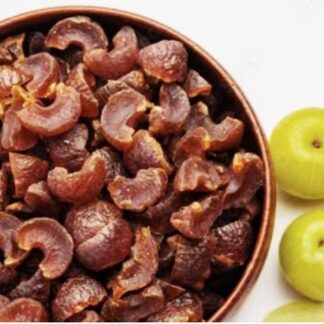
Chili Amla-200gm
Sale! Original price was: ₹120.00.₹100.00Current price is: ₹100.00. This product has multiple variants. The options may be chosen on the product page -

Dry Amla-200gm
₹100.00 This product has multiple variants. The options may be chosen on the product page -

Khatta Meetha Amla-200gm
Sale! Original price was: ₹120.00.₹100.00Current price is: ₹100.00. This product has multiple variants. The options may be chosen on the product page -
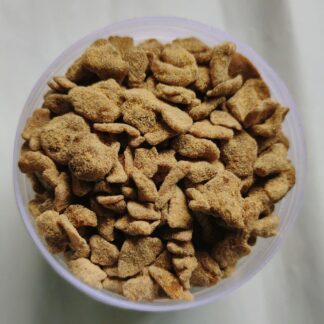
Khatta meetha Dry amla-200gm
Sale! Price range: ₹100.00 through ₹220.00 This product has multiple variants. The options may be chosen on the product page -

Masala Amla–200gm
Sale! Original price was: ₹120.00.₹100.00Current price is: ₹100.00. This product has multiple variants. The options may be chosen on the product page -
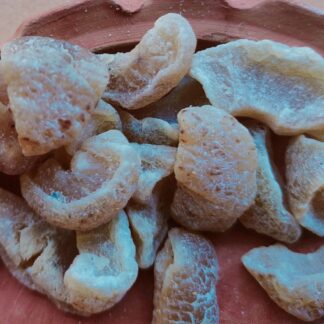
Meetha Amla-200gm
Sale! Original price was: ₹120.00.₹100.00Current price is: ₹100.00. This product has multiple variants. The options may be chosen on the product page
Showing all 7 results
Handmade Amla Pickle
The achar—the humble Indian pickle—is more than just a condiment; it is a repository of cultural heritage, a testament to ancestral wisdom, and a potent carrier of regional flavours. Among the pantheon of Indian pickles, few hold the reverence and medicinal weight of the Amla Pickle (Amla Ka Achaar), particularly when crafted by hand.
The Indian Gooseberry (Phyllanthus emblica or Amla) is a true ‘superfruit,’ celebrated in Ayurvedic texts for millennia. Transforming this potent, tart fruit into a spicy, tangy, and deeply flavourful pickle is a cherished ritual, one that guarantees the benefits of amla long after its seasonal harvest is over.
The Cultural Roots and Ayurvedic Significance
Amla’s significance in India transcends the kitchen. In ancient Indian tradition, particularly in Ayurveda, Amla is a sacred fruit, often cited in texts like the Charaka Samhita for its rejuvenating properties (rasayana). It is famously the primary ingredient in the health tonic, Chyawanprash.
Handmade amla pickle is the culinary manifestation of this ancient wisdom. The meticulous process of preparation, often passed down from grandmothers (Dadi or Nani) to daughters, is a ritualistic act of preservation. The practice of pickling itself—using oil, salt, and spices—was perfected centuries ago as a vital method for conserving seasonal bounty, long before modern refrigeration. This tradition ensures that the body’s immunity can be supported through the leaner, non-seasonal months.
Amla is unique because it is one of the few fruits said to contain five of the six tastes (rasas)—sour, sweet, pungent, bitter, and astringent—only missing salty, which is supplied abundantly in the pickling process. This makes it a holistic ingredient believed to balance all three Doshas (Vata, Pitta, and Kapha), promoting overall well-being.
The Alchemy of Ingredients: Crafting the Perfect Achaar Handmade Amla Pickle
The secret to a truly great handmade Amla Pickle lies in the quality of the raw materials and the technique of their marriage.
The Gooseberry for Handmade Amla Pickle
The process begins with selecting firm, pale green, unblemished amla. The traditional preparation typically involves one of two methods to soften the fruit while retaining its structure:
-
Steaming/Boiling: The fruit is steamed until the segments naturally separate, making it easy to remove the seed without losing the flesh’s integrity.
-
Sun-Drying/Curing: The amla is cured with salt and turmeric, often sun-dried for a few days to remove excess moisture. This process concentrates the flavour and aids in preservation, relying on the ancient energy of the sun.
The Spices (Masala) for Handmade Amla Pickle
The spice blend is where the regional identity of the pickle shines. A general North Indian recipe often includes:
-
Mustard Seeds (Rai/Sarson) and Fenugreek Seeds (Methi Dana): Dry-roasted and coarsely ground, these add a signature earthy bitterness and pungency.
-
Fennel Seeds (Saunf) and Nigella Seeds (Kalonji): Providing a complex, aromatic sweetness and texture.
-
Turmeric (Haldi) and Asafoetida (Hing): Essential for colour, anti-bacterial properties, and digestive aid.
-
Chilli Powder: Often Kashmiri Red Chilli for a vibrant colour and mild heat, or a more potent variety for a fiery kick.
The Preservative Base for Handmade Amla Pickle
The carrier and primary preservative is typically Mustard Oil (Sarson ka Tel) or Gingelly/Sesame Oil. The oil is heated to a smoking point to remove its raw odour, then cooled slightly before the spices and amla segments are added. The final step is crucial: ensuring the oil layer completely submerges the amla in the jar. This seal acts as a barrier against moisture and air, preventing spoilage and allowing the pickle to mature perfectly.
The Health Powerhouse: Beyond the Flavour of Handmade Amla Pickle
While the taste is addictive, the primary motivation for keeping Amla Pickle in an Indian household is its unparalleled nutritional profile, much of which is retained or even enhanced through the traditional pickling process.
-
Vitamin C Powerhouse: Amla is one of the richest natural sources of Vitamin C, with a single 100g serving containing levels comparable to up to 20 oranges. This potent antioxidant is vital for boosting the immune system, fighting off common colds and coughs, and aiding in collagen synthesis for healthy skin and hair—properties highly valued, particularly during the winter months when the fruit is harvested.
-
Enhanced Digestion and Gut Health: The spices used—mustard, fenugreek, and hing—are natural digestive aids. Furthermore, the curing process often involves a natural fermentation that creates beneficial probiotics. The blend of oil and spices stimulates digestive enzymes, making a small quantity of pickle the perfect palate cleanser and appetite stimulant for a wholesome Indian meal.
-
Antioxidant Rich: Loaded with polyphenols, flavonoids, and tannins, the amla pickle helps combat oxidative stress and free radicals, supporting overall cellular health and potentially reducing the risk of chronic diseases.
The Handmade Difference: A Growing Industry Trend
In an era dominated by large-scale commercial pickle manufacturing that often relies on chemical preservatives and excessive sodium, the concept of the “Handmade Amla Pickle” has experienced a resurgence.
Small-scale entrepreneurs, often women-led groups from rural and semi-urban areas, are revitalizing traditional recipes. They emphasize:
-
Authenticity: Using cold-pressed oils and high-quality, locally sourced spices.
-
Minimal Processing: Avoiding artificial colours, preservatives, and synthetic additives to retain maximum nutrient value.
-
Ethical Sourcing: Creating a value chain that supports local farmers and empowers rural artisans.
The consumer today seeks the ‘taste of Dadi’s (grandmother’s) kitchen’—a product that speaks of purity, care, and generations of culinary knowledge. The humble handmade Amla Pickle, stored in its sterile glass or traditional ceramic Bharni jar, represents this intersection of health, flavour, and heritage, adding a powerful emerald zest to the plate and a boost to the body.